2 Chronicles 7:1
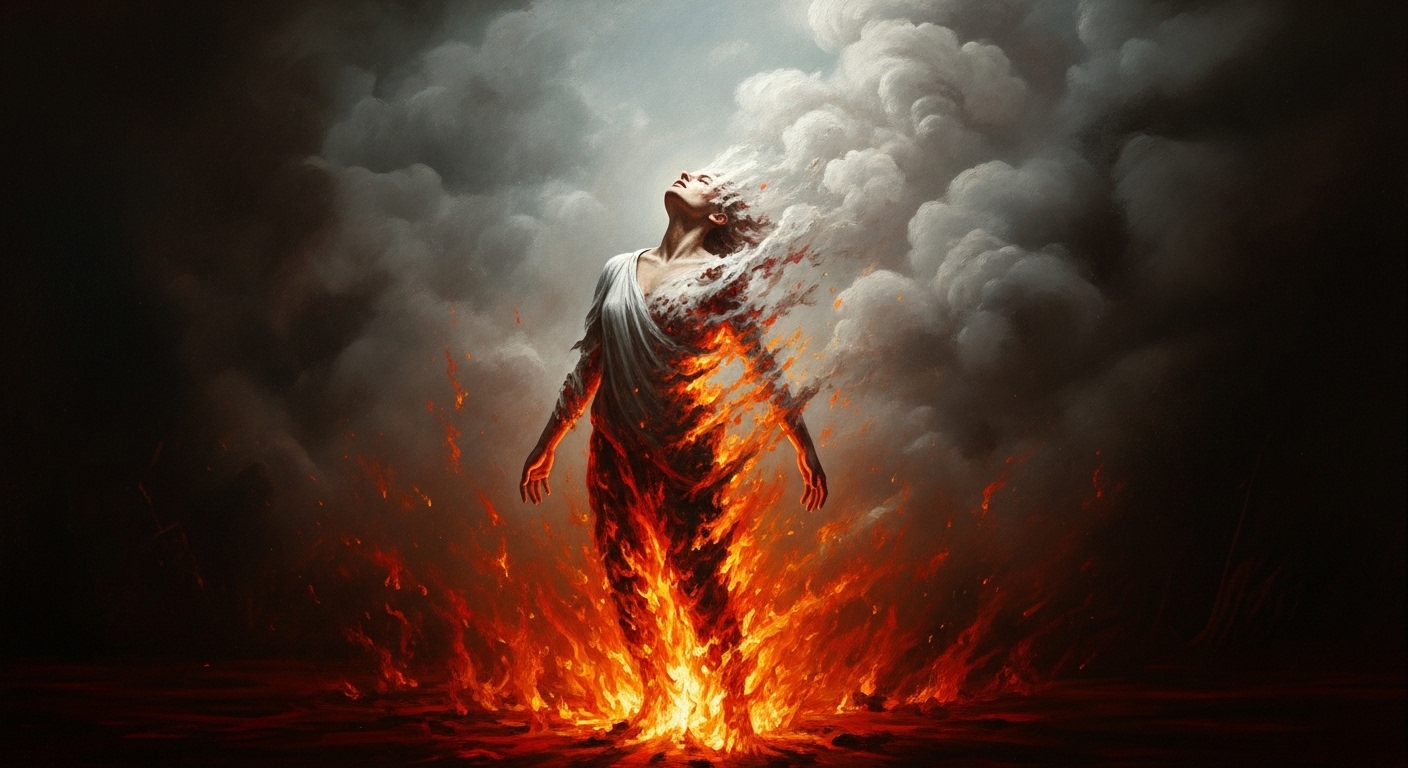
“Now when Solomon had made an end of praying, the fire came down from heaven, and consumed the burnt offering and the sacrifices; and the glory of the Lord filled the house.”
Now when Solomon had made an end of praying, the fire came down from heaven, and consumed the burnt offering and the sacrifices; and the glory of the Lord filled the house.
And the priests could not enter into the house of the Lord, because the glory of the Lord had filled the Lord’s house.
And when all the children of Israel saw how the fire came down, and the glory of the Lord upon the house, they bowed themselves with their faces to the ground upon the pavement, and worshipped, and praised the Lord, saying, For he is good; for his mercy endureth for ever.
Counter-Arguments
The strongest case that this verse does not belong in this theme.
Cross-References
“Then the fire of the Lord fell, and consumed the burnt sacrifice, and the wood, and the stones, and the dust, and licked up the water that was in the trench.”
“And Moses and Aaron went into the tabernacle of the congregation, and came out, and blessed the people: and the glory of the Lord appeared unto all the people.”
“And it came to pass, when the priests were come out of the holy place, that the cloud filled the house of the Lord,”
“And David built there an altar unto the Lord, and offered burnt offerings and peace offerings, and called upon the Lord; and he answered him from heaven by fire upon the altar of burnt offering.”
“And call ye on the name of your gods, and I will call on the name of the Lord: and the God that answereth by fire, let him be God. And all the people answered and said, It is well spoken.”