2 Corinthians 4:16
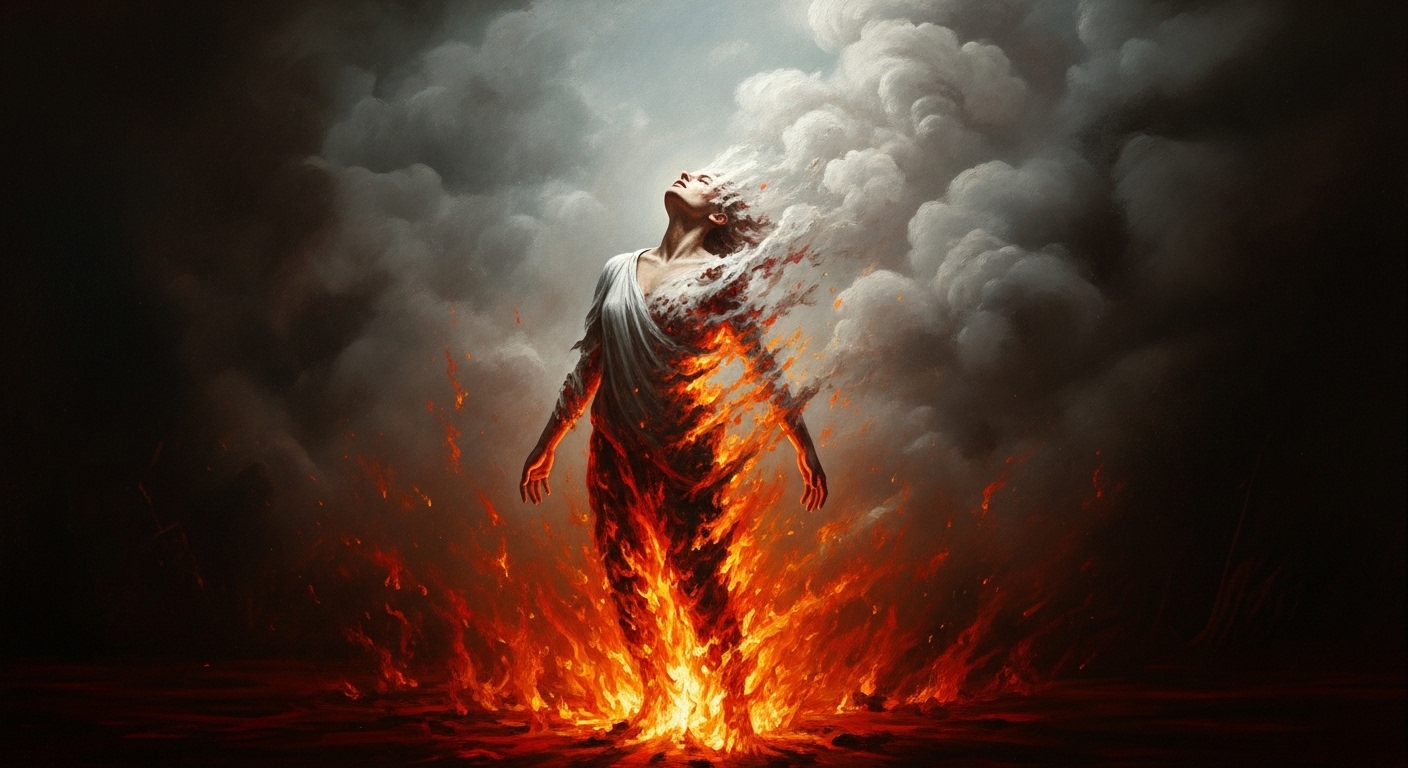
“For which cause we faint not; but though our outward man perish, yet the inward man is renewed day by day.”
Knowing that he which raised up the Lord Jesus shall raise up us also by Jesus, and shall present us with you.
For all things are for your sakes, that the abundant grace might through the thanksgiving of many redound to the glory of God.
For which cause we faint not; but though our outward man perish, yet the inward man is renewed day by day.
For our light affliction, which is but for a moment, worketh for us a far more exceeding and eternal weight of glory;
While we look not at the things which are seen, but at the things which are not seen: for the things which are seen are temporal; but the things which are not seen are eternal.
Why This Verse Was Tagged
This verse contains specific terms directly associated with this theme.
Counter-Arguments
The strongest case that this verse does not belong in this theme.
Cross-References
“But they that wait upon the Lord shall renew their strength; they shall mount up with wings as eagles; they shall run, and not be weary; and they shall walk, and not faint.”
“And let us not be weary in well doing: for in due season we shall reap, if we faint not.”
“I beseech you therefore, brethren, by the mercies of God, that ye present your bodies a living sacrifice, holy, acceptable unto God, which is your reasonable service.”
“But they that wait upon the Lord shall renew their strength; they shall mount up with wings as eagles; they shall run, and not be weary; and they shall walk, and not faint.”
“And have put on the new man, which is renewed in knowledge after the image of him that created him:”