2 Kings 13:7
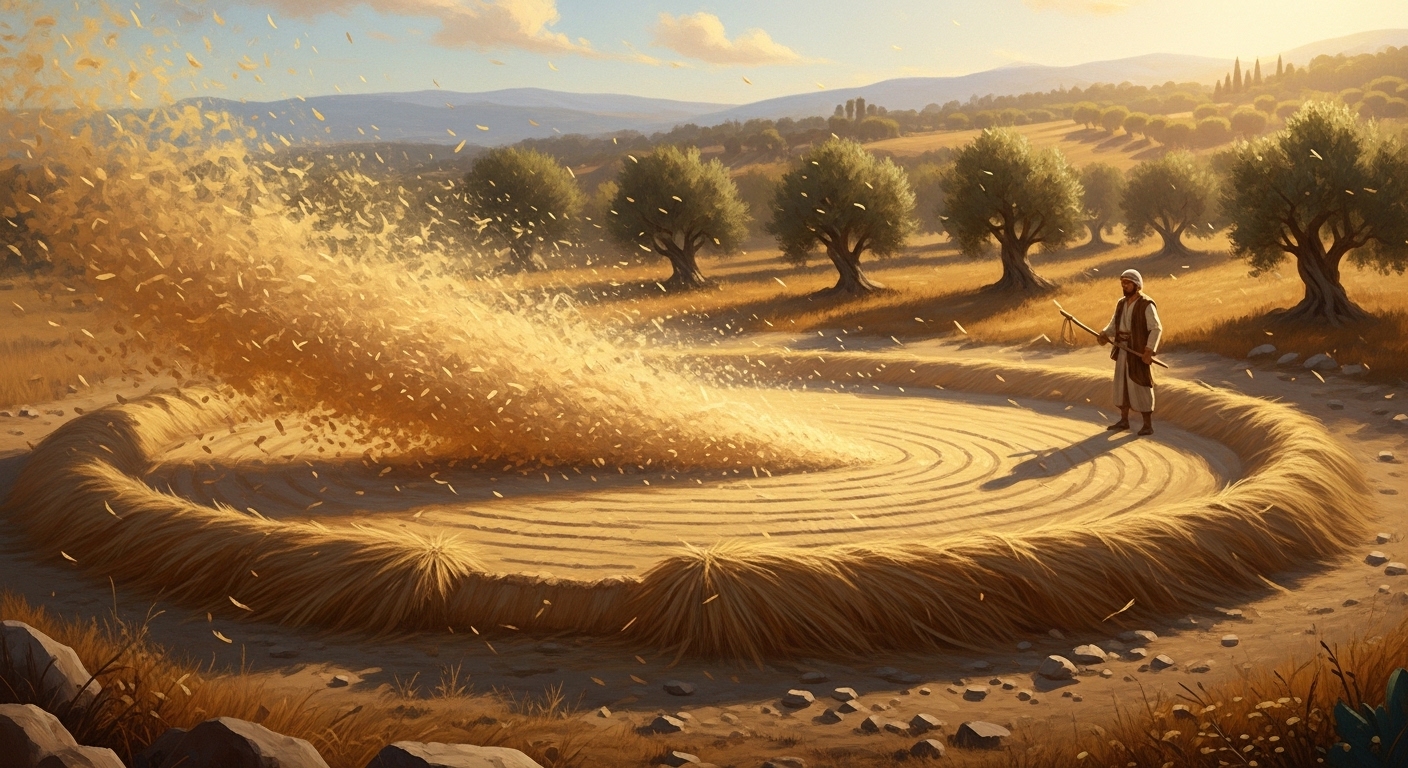
“Neither did he leave of the people to Jehoahaz but fifty horsemen, and ten chariots, and ten thousand footmen; for the king of Syria had destroyed them, and had made them like the dust by threshing.”
(And the Lord gave Israel a saviour, so that they went out from under the hand of the Syrians: and the children of Israel dwelt in their tents, as beforetime.
Nevertheless they departed not from the sins of the house of Jeroboam, who made Israel sin, but walked therein: and there remained the grove also in Samaria.)
Neither did he leave of the people to Jehoahaz but fifty horsemen, and ten chariots, and ten thousand footmen; for the king of Syria had destroyed them, and had made them like the dust by threshing.
Now the rest of the acts of Jehoahaz, and all that he did, and his might, are they not written in the book of the chronicles of the kings of Israel?
And Jehoahaz slept with his fathers; and they buried him in Samaria: and Joash his son reigned in his stead.
Counter-Arguments
The strongest case that this verse does not belong in this theme.
Cross-References
“Then did I beat them as small as the dust of the earth, I did stamp them as the mire of the street, and did spread them abroad.”
“Then he numbered the young men of the princes of the provinces, and they were two hundred and thirty two: and after them he numbered all the people, even all the children of Israel, being seven thousand.”
“And Hazael said, Why weepeth my lord? And he answered, Because I know the evil that thou wilt do unto the children of Israel: their strong holds wilt thou set on fire, and their young men wilt thou slay with the sword, and wilt dash their children, and rip up their women with child.”
“And Jehu slept with his fathers: and they buried him in Samaria. And Jehoahaz his son reigned in his stead.”
“Behold, I will make thee a new sharp threshing instrument having teeth: thou shalt thresh the mountains, and beat them small, and shalt make the hills as chaff.”