2 Kings 19:35
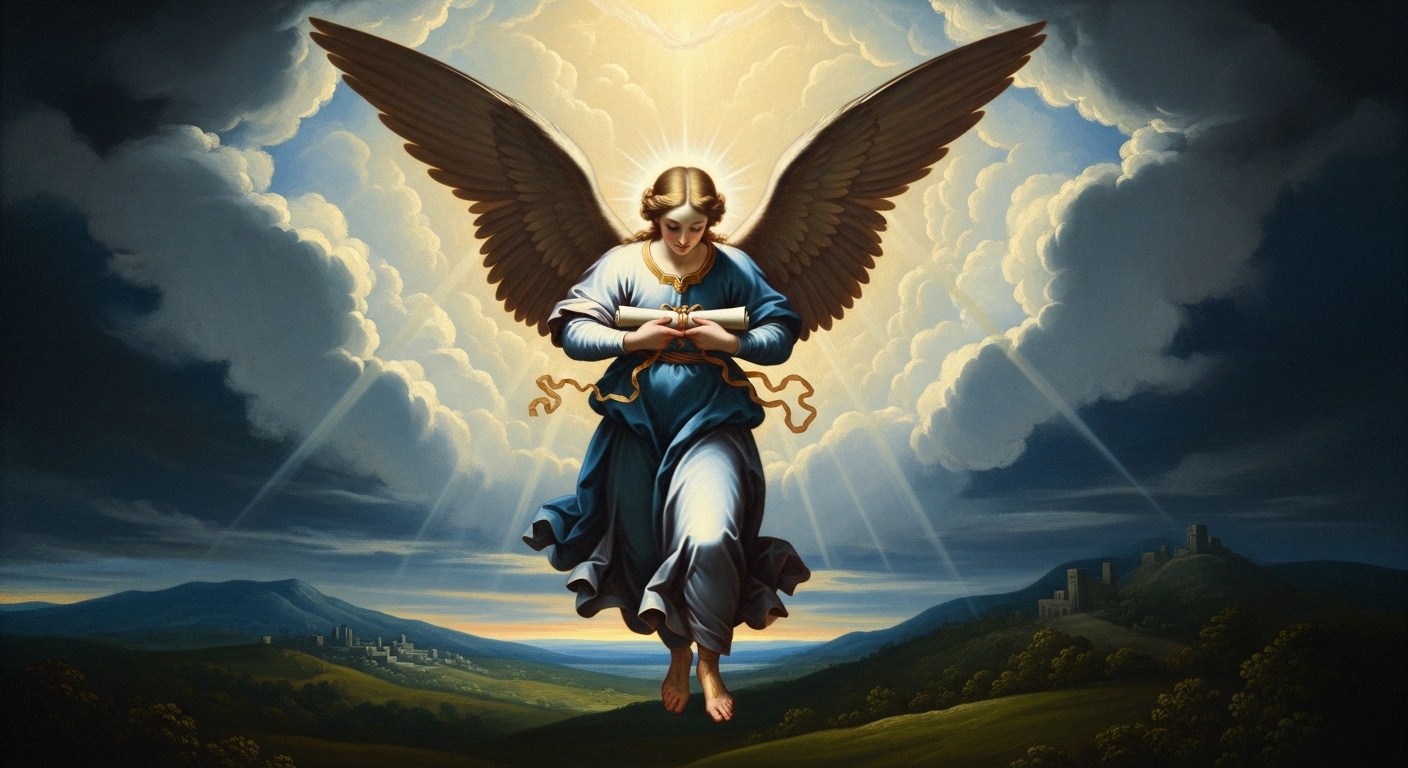
“And it came to pass that night, that the angel of the Lord went out, and smote in the camp of the Assyrians an hundred fourscore and five thousand: and when they arose early in the morning, behold, they were all dead corpses.”
By the way that he came, by the same shall he return, and shall not come into this city, saith the Lord.
For I will defend this city, to save it, for mine own sake, and for my servant David’s sake.
And it came to pass that night, that the angel of the Lord went out, and smote in the camp of the Assyrians an hundred fourscore and five thousand: and when they arose early in the morning, behold, they were all dead corpses.
So Sennacherib king of Assyria departed, and went and returned, and dwelt at Nineveh.
And it came to pass, as he was worshipping in the house of Nisroch his god, that Adrammelech and Sharezer his sons smote him with the sword: and they escaped into the land of Armenia. And Esarhaddon his son reigned in his stead.
Why This Verse Was Tagged
This verse contains specific terms directly associated with this theme.
This verse contains specific terms directly associated with this theme.
Counter-Arguments
The strongest case that this verse does not belong in this theme.
Cross-References
“The angel of the Lord encampeth round about them that fear him, and delivereth them.”
“And the Lord sent an angel, which cut off all the mighty men of valour, and the leaders and captains in the camp of the king of Assyria. So he returned with shame of face to his own land. And when he was come into the house of his god, they that came forth of his own bowels slew him there with the sword.”
“But I will have mercy upon the house of Judah, and will save them by the Lord their God, and will not save them by bow, nor by sword, nor by battle, by horses, nor by horsemen.”
“Bless the Lord, ye his angels, that excel in strength, that do his commandments, hearkening unto the voice of his word.”
“Nor for the pestilence that walketh in darkness; nor for the destruction that wasteth at noonday.”