Acts 12:7
“And, behold, the angel of the Lord came upon him, and a light shined in the prison: and he smote Peter on the side, and raised him up, saying, Arise up quickly. And his chains fell off from his hands.”
Peter therefore was kept in prison: but prayer was made without ceasing of the church unto God for him.
And when Herod would have brought him forth, the same night Peter was sleeping between two soldiers, bound with two chains: and the keepers before the door kept the prison.
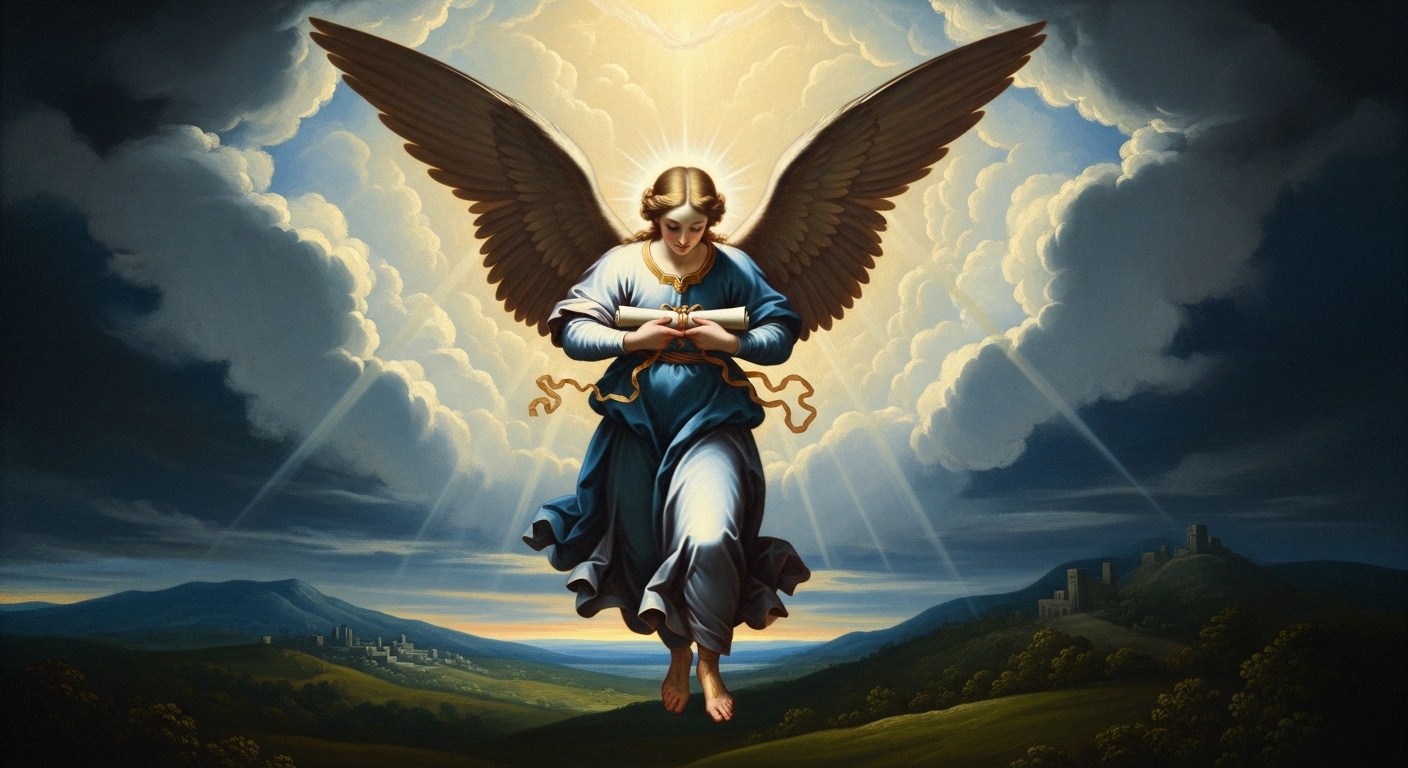
And, behold, the angel of the Lord came upon him, and a light shined in the prison: and he smote Peter on the side, and raised him up, saying, Arise up quickly. And his chains fell off from his hands.
And the angel said unto him, Gird thyself, and bind on thy sandals. And so he did. And he saith unto him, Cast thy garment about thee, and follow me.
And he went out, and followed him; and wist not that it was true which was done by the angel; but thought he saw a vision.
Why This Verse Was Tagged
This verse contains specific terms directly associated with this theme.
This verse contains specific terms directly associated with this theme.
Counter-Arguments
The strongest case that this verse does not belong in this theme.
Cross-References
“And suddenly there was a great earthquake, so that the foundations of the prison were shaken: and immediately all the doors were opened, and every one’s bands were loosed.”
“But the angel of the Lord by night opened the prison doors, and brought them forth, and said,”
“Are they not all ministering spirits, sent forth to minister for them who shall be heirs of salvation?”
“Whose feet they hurt with fetters: he was laid in iron:”
“Which executeth judgment for the oppressed: which giveth food to the hungry. The Lord looseth the prisoners:”