Daniel 3:28
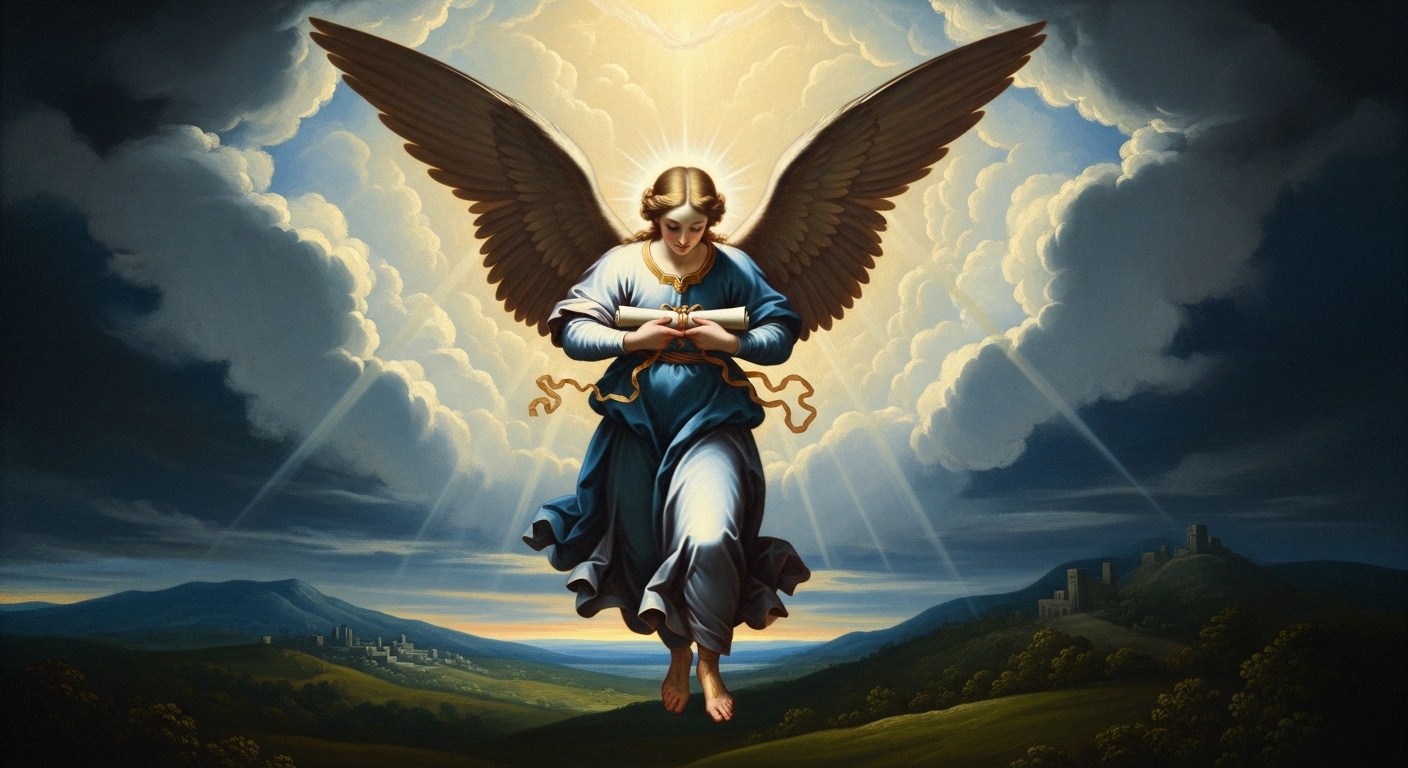
“Then Nebuchadnezzar spake, and said, Blessed be the God of Shadrach, Meshach, and Abed–nego, who hath sent his angel, and delivered his servants that trusted in him, and have changed the king’s word, and yielded their bodies, that they might not serve nor worship any god, except their own God.”
Then Nebuchadnezzar came near to the mouth of the burning fiery furnace, and spake, and said, Shadrach, Meshach, and Abed–nego, ye servants of the most high God, come forth, and come hither. Then Shadrach, Meshach, and Abed–nego, came forth of the midst of the fire.
And the princes, governors, and captains, and the king’s counsellors, being gathered together, saw these men, upon whose bodies the fire had no power, nor was an hair of their head singed, neither were their coats changed, nor the smell of fire had passed on them.
Then Nebuchadnezzar spake, and said, Blessed be the God of Shadrach, Meshach, and Abed–nego, who hath sent his angel, and delivered his servants that trusted in him, and have changed the king’s word, and yielded their bodies, that they might not serve nor worship any god, except their own God.
Therefore I make a decree, That every people, nation, and language, which speak any thing amiss against the God of Shadrach, Meshach, and Abed–nego, shall be cut in pieces, and their houses shall be made a dunghill: because there is no other God that can deliver after this sort.
Then the king promoted Shadrach, Meshach, and Abed–nego, in the province of Babylon.
Why This Verse Was Tagged
This verse contains specific terms directly associated with this theme.
Counter-Arguments
The strongest case that this verse does not belong in this theme.
Cross-References
“The angel of the Lord encampeth round about them that fear him, and delivereth them.”
“Ye that love the Lord, hate evil: he preserveth the souls of his saints; he delivereth them out of the hand of the wicked.”
“The Lord is good, a strong hold in the day of trouble; and he knoweth them that trust in him.”
“Are they not all ministering spirits, sent forth to minister for them who shall be heirs of salvation?”
“For none of us liveth to himself, and no man dieth to himself.”