Genesis 16:10
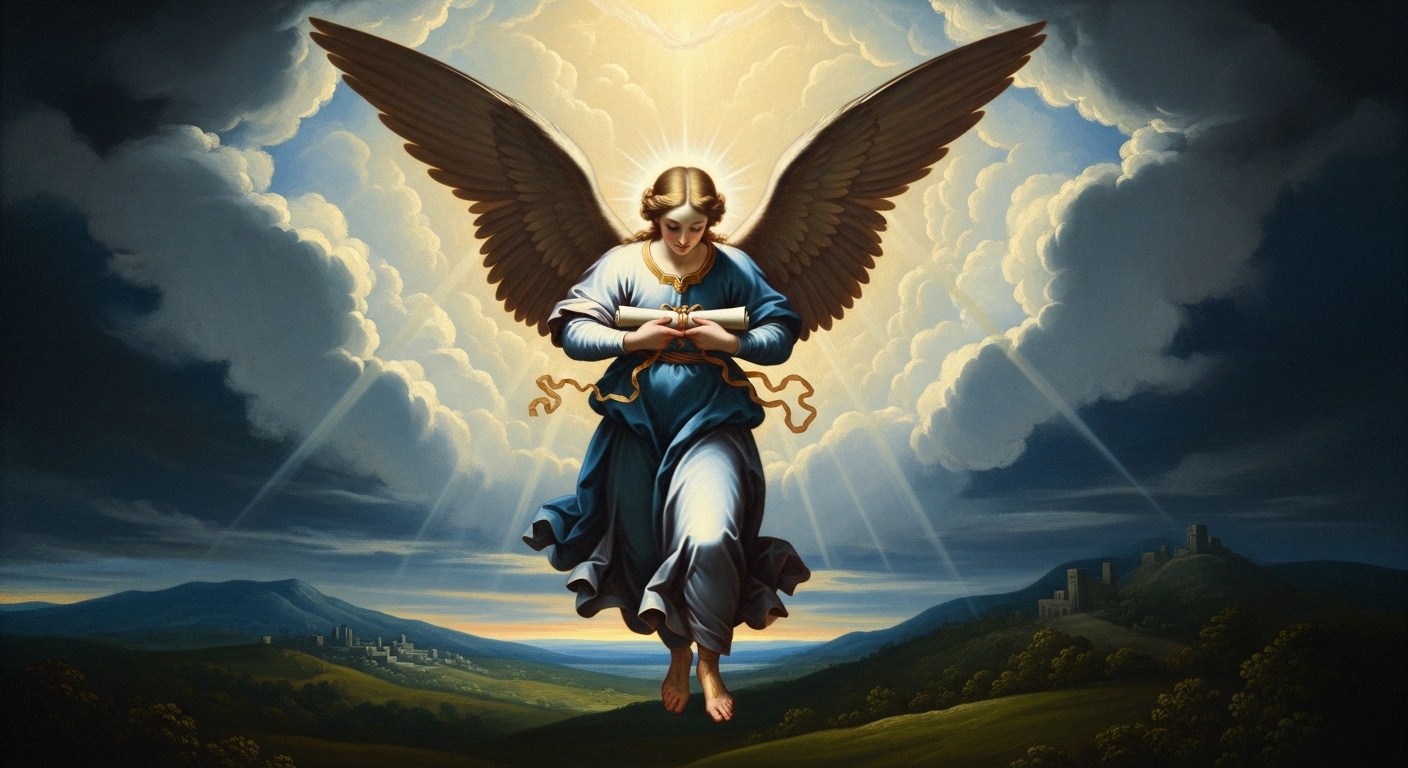
“And the angel of the Lord said unto her, I will multiply thy seed exceedingly, that it shall not be numbered for multitude.”
And he said, Hagar, Sarai’s maid, whence camest thou? and whither wilt thou go? And she said, I flee from the face of my mistress Sarai.
And the angel of the Lord said unto her, Return to thy mistress, and submit thyself under her hands.
And the angel of the Lord said unto her, I will multiply thy seed exceedingly, that it shall not be numbered for multitude.
And the angel of the Lord said unto her, Behold, thou art with child, and shalt bear a son, and shalt call his name Ishmael; because the Lord hath heard thy affliction.
And he will be a wild man; his hand will be against every man, and every man’s hand against him; and he shall dwell in the presence of all his brethren.
Why This Verse Was Tagged
This verse contains specific terms directly associated with this theme.
This verse contains specific terms directly associated with this theme.
Counter-Arguments
The strongest case that this verse does not belong in this theme.
Cross-References
“And as for Ishmael, I have heard thee: Behold, I have blessed him, and will make him fruitful, and will multiply him exceedingly; twelve princes shall he beget, and I will make him a great nation.”
“And also of the son of the bondwoman will I make a nation, because he is thy seed.”
“And an angel of the Lord came up from Gilgal to Bochim, and said, I made you to go up out of Egypt, and have brought you unto the land which I sware unto your fathers; and I said, I will never break my covenant with you.”
“For thus saith the Lord of hosts; After the glory hath he sent me unto the nations which spoiled you: for he that toucheth you toucheth the apple of his eye.”
“And also of the son of the bondwoman will I make a nation, because he is thy seed.”