Isaiah 1:7
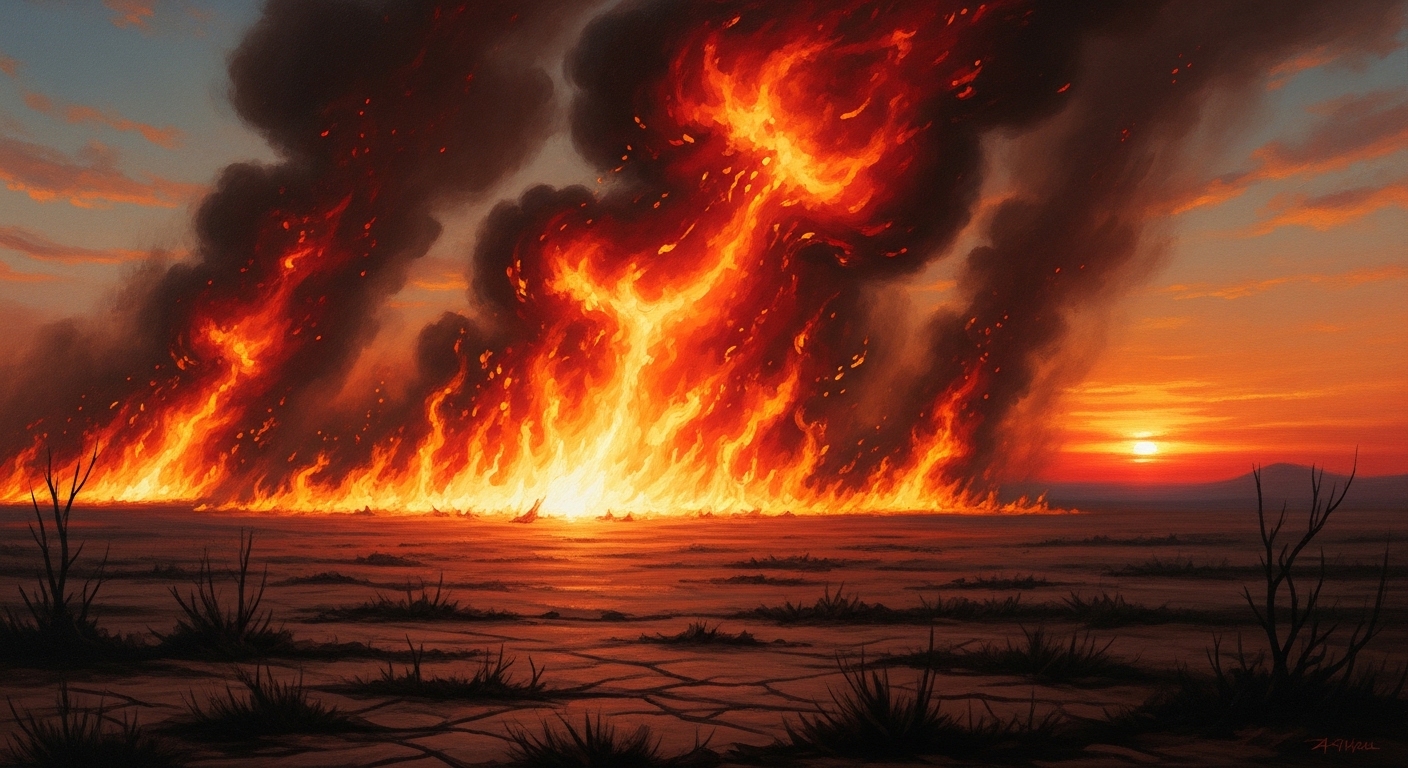
“Your country is desolate, your cities are burned with fire: your land, strangers devour it in your presence, and it is desolate, as overthrown by strangers.”
Why should ye be stricken any more? ye will revolt more and more: the whole head is sick, and the whole heart faint.
From the sole of the foot even unto the head there is no soundness in it; but wounds, and bruises, and putrifying sores: they have not been closed, neither bound up, neither mollified with ointment.
Your country is desolate, your cities are burned with fire: your land, strangers devour it in your presence, and it is desolate, as overthrown by strangers.
And the daughter of Zion is left as a cottage in a vineyard, as a lodge in a garden of cucumbers, as a besieged city.
Except the Lord of hosts had left unto us a very small remnant, we should have been as Sodom, and we should have been like unto Gomorrah.
Why This Verse Was Tagged
This verse contains specific terms directly associated with this theme.
This verse contains specific terms directly associated with this theme.
Counter-Arguments
The strongest case that this verse does not belong in this theme.
Cross-References
“The fruit of thy land, and all thy labours, shall a nation which thou knowest not eat up; and thou shalt be only oppressed and crushed alway:”
“Our inheritance is turned to strangers, our houses to aliens.”
“The lion is come up from his thicket, and the destroyer of the Gentiles is on his way; he is gone forth from his place to make thy land desolate; and thy cities shall be laid waste, without an inhabitant.”
“The stranger that is within thee shall get up above thee very high; and thou shalt come down very low.”
“And he shall besiege thee in all thy gates, until thy high and fenced walls come down, wherein thou trustedst, throughout all thy land: and he shall besiege thee in all thy gates throughout all thy land, which the Lord thy God hath given thee.”