Jeremiah 42:14
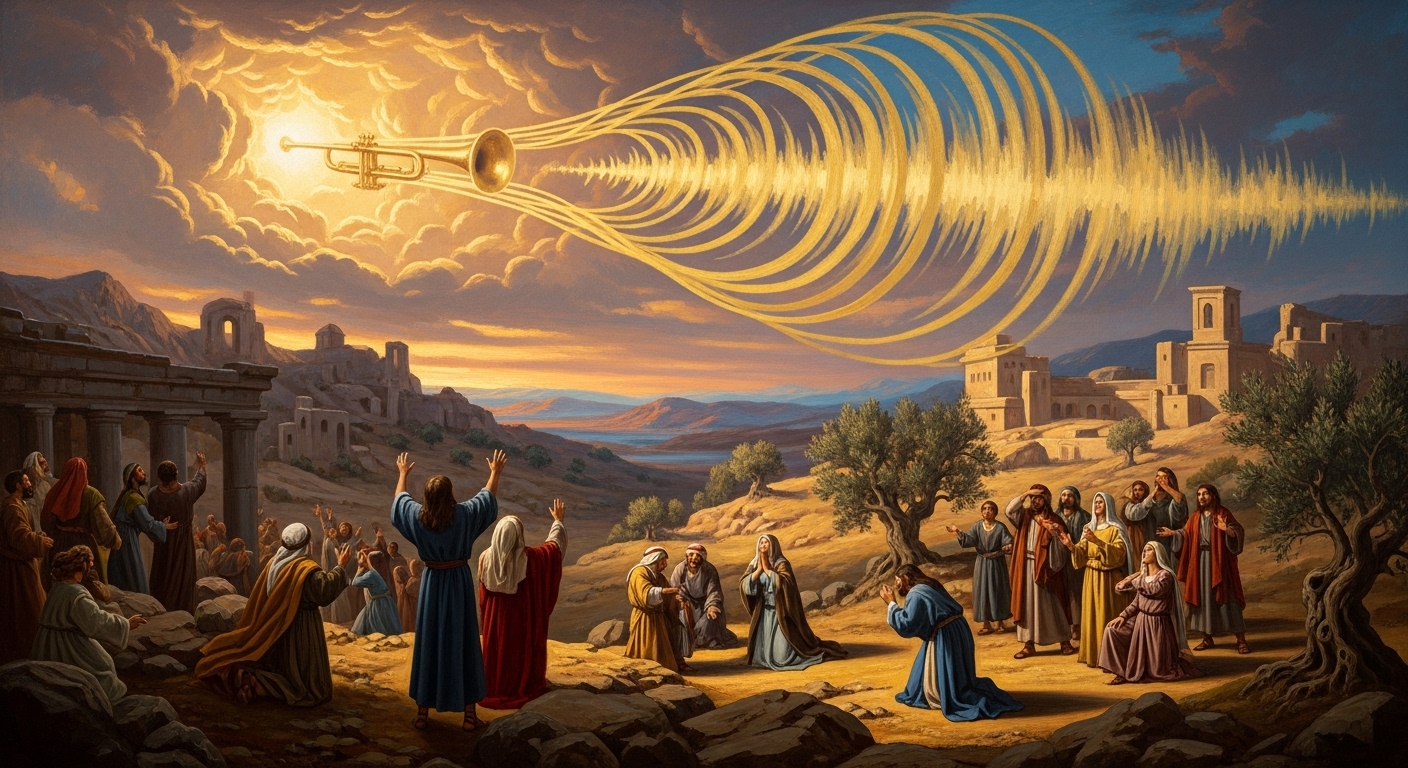
“Saying, No; but we will go into the land of Egypt, where we shall see no war, nor hear the sound of the trumpet, nor have hunger of bread; and there will we dwell:”
And I will shew mercies unto you, that he may have mercy upon you, and cause you to return to your own land.
But if ye say, We will not dwell in this land, neither obey the voice of the Lord your God,
Saying, No; but we will go into the land of Egypt, where we shall see no war, nor hear the sound of the trumpet, nor have hunger of bread; and there will we dwell:
And now therefore hear the word of the Lord, ye remnant of Judah; Thus saith the Lord of hosts, the God of Israel; If ye wholly set your faces to enter into Egypt, and go to sojourn there;
Then it shall come to pass, that the sword, which ye feared, shall overtake you there in the land of Egypt, and the famine, whereof ye were afraid, shall follow close after you there in Egypt; and there ye shall die.
Counter-Arguments
The strongest case that this verse does not belong in this theme.
Cross-References
“But he shall not multiply horses to himself, nor cause the people to return to Egypt, to the end that he should multiply horses: forasmuch as the Lord hath said unto you, Ye shall henceforth return no more that way.”
“How then wilt thou turn away the face of one captain of the least of my master’s servants, and put thy trust on Egypt for chariots and for horsemen?”
“And all the people, both small and great, and the captains of the armies, arose, and came to Egypt: for they were afraid of the Chaldees.”
“And they departed, and dwelt in the habitation of Chimham, which is by Beth–lehem, to go to enter into Egypt,”
“And the children of Israel said unto them, Would to God we had died by the hand of the Lord in the land of Egypt, when we sat by the flesh pots, and when we did eat bread to the full; for ye have brought us forth into this wilderness, to kill this whole assembly with hunger.”