Isaiah 26:19
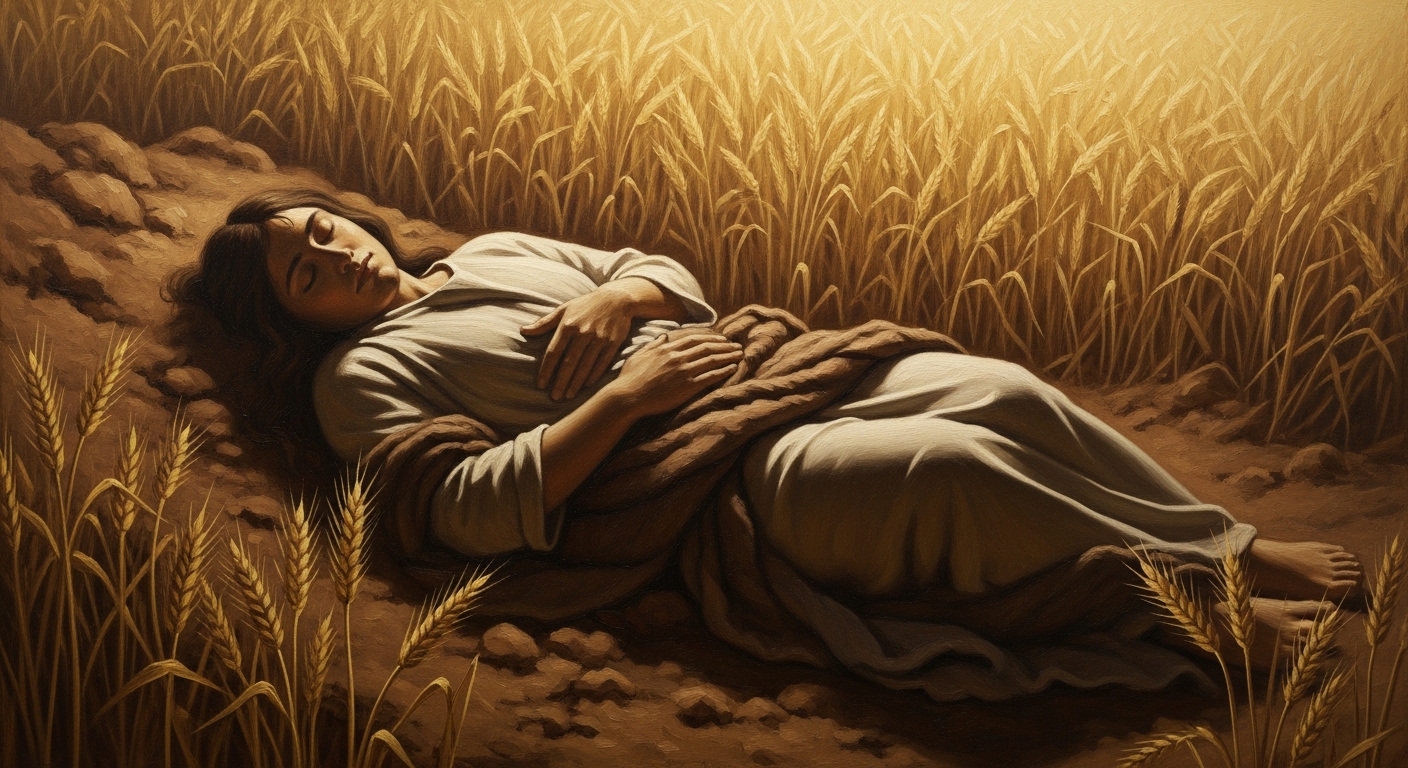
“Thy dead men shall live, together with my dead body shall they arise. Awake and sing, ye that dwell in dust: for thy dew is as the dew of herbs, and the earth shall cast out the dead.”
Like as a woman with child, that draweth near the time of her delivery, is in pain, and crieth out in her pangs; so have we been in thy sight, O Lord.
We have been with child, we have been in pain, we have as it were brought forth wind; we have not wrought any deliverance in the earth; neither have the inhabitants of the world fallen.
Thy dead men shall live, together with my dead body shall they arise. Awake and sing, ye that dwell in dust: for thy dew is as the dew of herbs, and the earth shall cast out the dead.
Come, my people, enter thou into thy chambers, and shut thy doors about thee: hide thyself as it were for a little moment, until the indignation be overpast.
For, behold, the Lord cometh out of his place to punish the inhabitants of the earth for their iniquity: the earth also shall disclose her blood, and shall no more cover her slain.
Why This Verse Was Tagged
This verse was identified by multiple independent signals: structural patterns, prophetic context, and vocabulary — then validated by a probability model (Snorkel).
Counter-Arguments
The strongest case that this verse does not belong in this theme.
Cross-References
“Wherefore he saith, Awake thou that sleepest, and arise from the dead, and Christ shall give thee light.”
“And many of them that sleep in the dust of the earth shall awake, some to everlasting life, and some to shame and everlasting contempt.”
“Jesus said unto her, I am the resurrection, and the life: he that believeth in me, though he were dead, yet shall he live:”
“And many of them that sleep in the dust of the earth shall awake, some to everlasting life, and some to shame and everlasting contempt.”
“Again he said unto me, Prophesy upon these bones, and say unto them, O ye dry bones, hear the word of the Lord.”