Isaiah 37:36
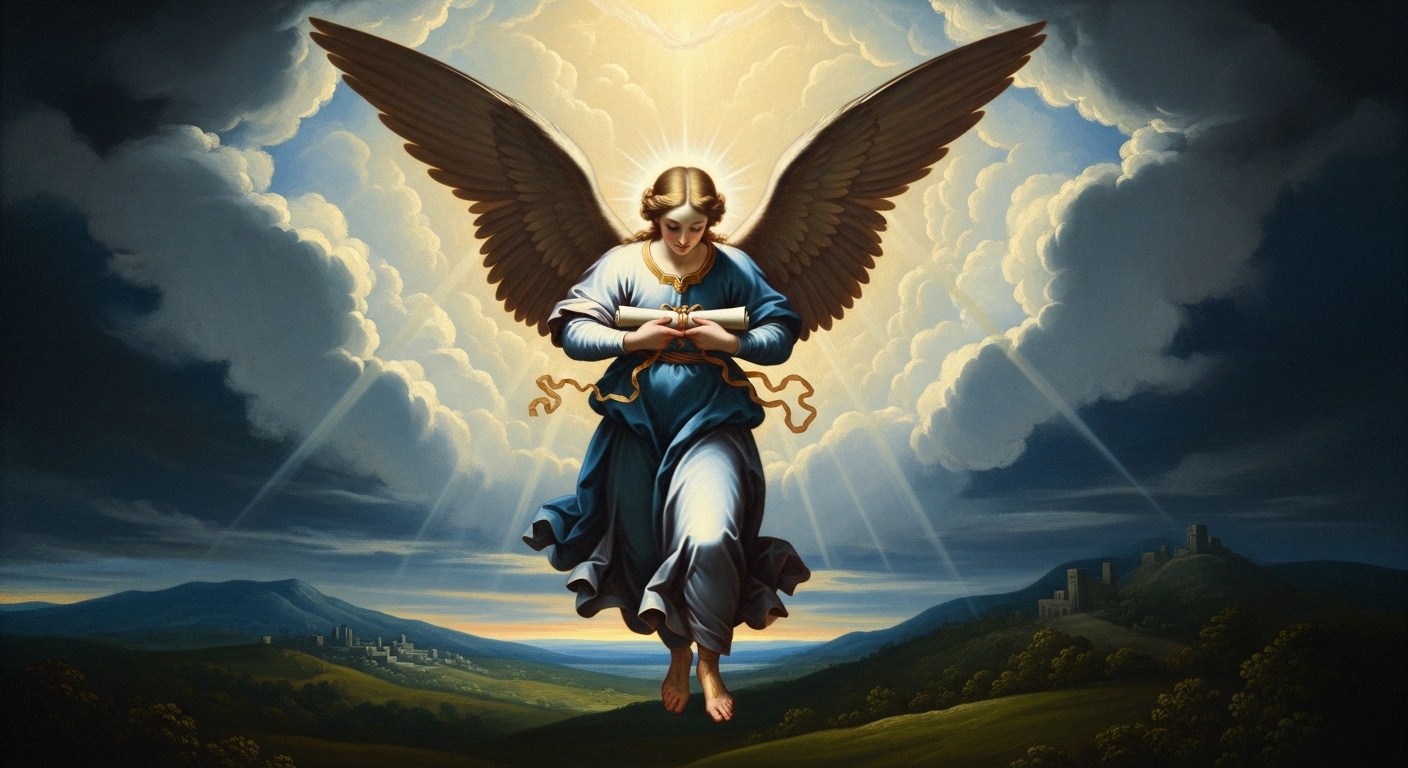
“Then the angel of the Lord went forth, and smote in the camp of the Assyrians a hundred and fourscore and five thousand: and when they arose early in the morning, behold, they were all dead corpses.”
By the way that he came, by the same shall he return, and shall not come into this city, saith the Lord.
For I will defend this city to save it for mine own sake, and for my servant David’s sake.
Then the angel of the Lord went forth, and smote in the camp of the Assyrians a hundred and fourscore and five thousand: and when they arose early in the morning, behold, they were all dead corpses.
So Sennacherib king of Assyria departed, and went and returned, and dwelt at Nineveh.
And it came to pass, as he was worshipping in the house of Nisroch his god, that Adrammelech and Sharezer his sons smote him with the sword; and they escaped into the land of Armenia: and Esar–haddon his son reigned in his stead.
Why This Verse Was Tagged
This verse contains specific terms directly associated with this theme.
Counter-Arguments
The strongest case that this verse does not belong in this theme.
Cross-References
“He disappointeth the devices of the crafty, so that their hands cannot perform their enterprise.”
“And it came to pass that night, that the angel of the Lord went out, and smote in the camp of the Assyrians an hundred fourscore and five thousand: and when they arose early in the morning, behold, they were all dead corpses.”
“For the Lord will pass through to smite the Egyptians; and when he seeth the blood upon the lintel, and on the two side posts, the Lord will pass over the door, and will not suffer the destroyer to come in unto your houses to smite you.”
“Wherefore it shall come to pass, that when the Lord hath performed his whole work upon mount Zion and on Jerusalem, I will punish the fruit of the stout heart of the king of Assyria, and the glory of his high looks.”
“So the Lord sent a pestilence upon Israel from the morning even to the time appointed: and there died of the people from Dan even to Beer–sheba seventy thousand men.”