James 3:6
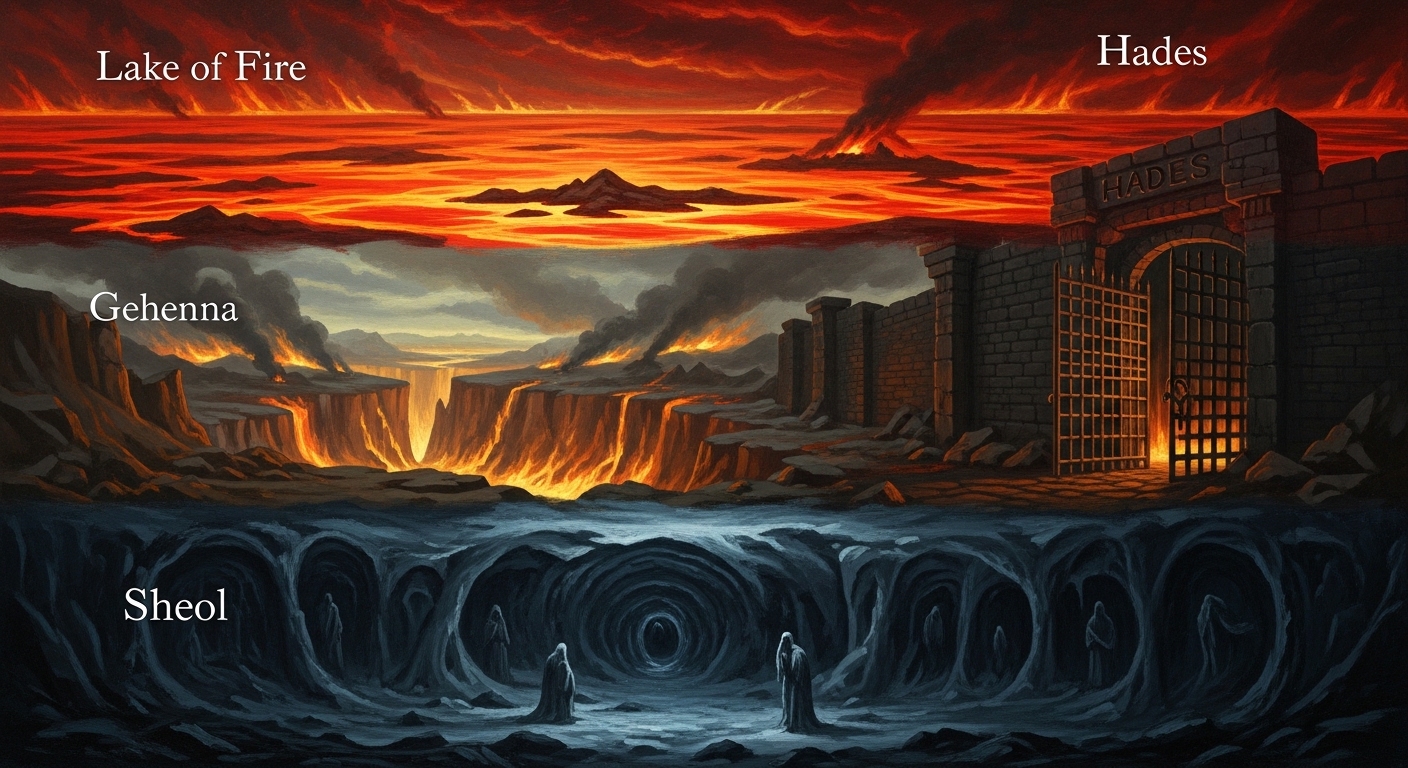
“And the tongue is a fire, a world of iniquity: so is the tongue among our members, that it defileth the whole body, and setteth on fire the course of nature; and it is set on fire of hell.”
Behold also the ships, which though they be so great, and are driven of fierce winds, yet are they turned about with a very small helm, whithersoever the governor listeth.
Even so the tongue is a little member, and boasteth great things. Behold, how great a matter a little fire kindleth!
And the tongue is a fire, a world of iniquity: so is the tongue among our members, that it defileth the whole body, and setteth on fire the course of nature; and it is set on fire of hell.
For every kind of beasts, and of birds, and of serpents, and of things in the sea, is tamed, and hath been tamed of mankind:
But the tongue can no man tame; it is an unruly evil, full of deadly poison.
Why This Verse Was Tagged
This verse contains specific terms directly associated with this theme.
This verse contains specific terms directly associated with this theme.
This verse was identified by multiple independent signals: structural patterns, prophetic context, and vocabulary — then validated by a probability model (Snorkel).
Counter-Arguments
The strongest case that this verse does not belong in this theme.
Cross-References
“Death and life are in the power of the tongue: and they that love it shall eat the fruit thereof.”
“Deliver my soul, O Lord, from lying lips, and from a deceitful tongue.”
“An ungodly man diggeth up evil: and in his lips there is as a burning fire.”
“There is nothing from without a man, that entering into him can defile him: but the things which come out of him, those are they that defile the man.”
“Then said I, Woe is me! for I am undone; because I am a man of unclean lips, and I dwell in the midst of a people of unclean lips: for mine eyes have seen the King, the Lord of hosts.”