Psalms 30:9
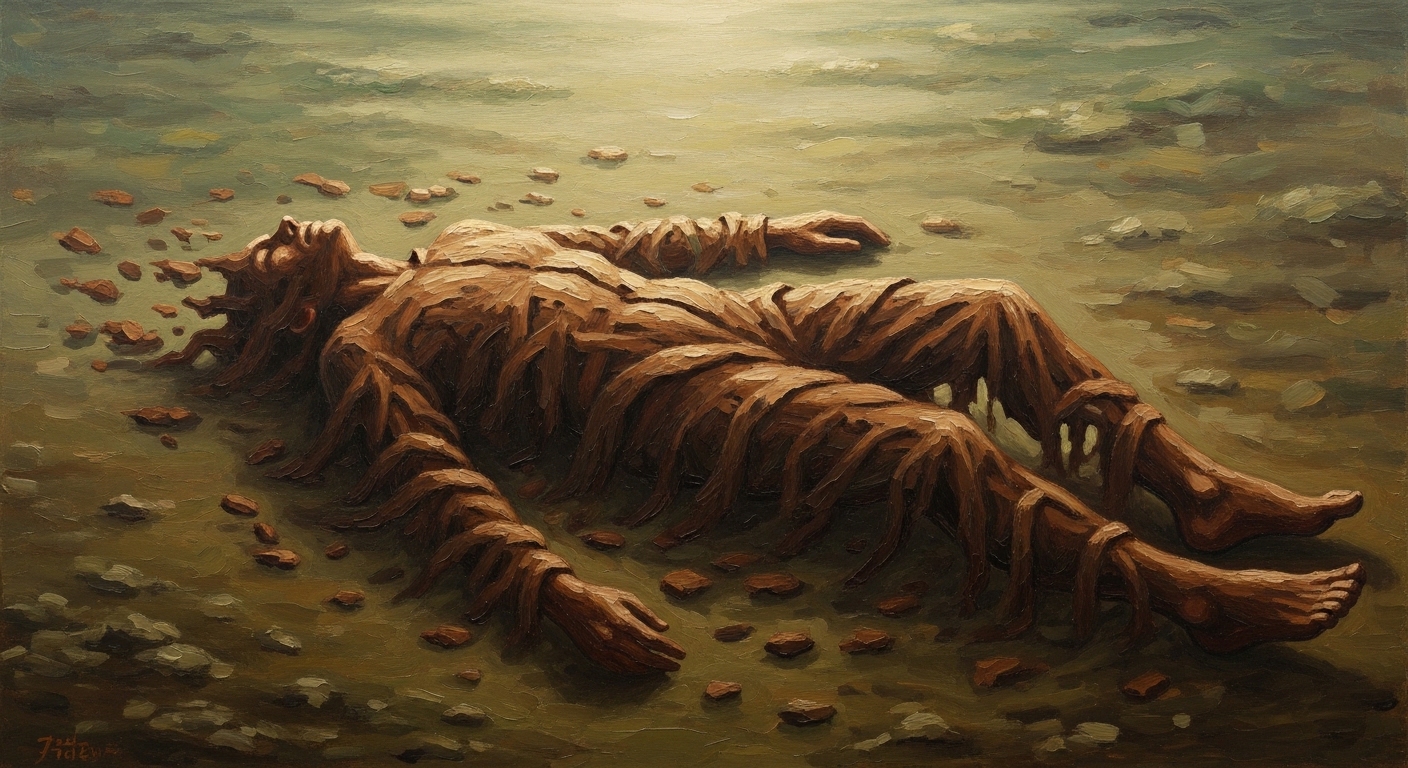
“What profit is there in my blood, when I go down to the pit? Shall the dust praise thee? shall it declare thy truth?”
Lord, by thy favour thou hast made my mountain to stand strong: thou didst hide thy face, and I was troubled.
I cried to thee, O Lord; and unto the Lord I made supplication.
What profit is there in my blood, when I go down to the pit? Shall the dust praise thee? shall it declare thy truth?
Hear, O Lord, and have mercy upon me: Lord, be thou my helper.
Thou hast turned for me my mourning into dancing: thou hast put off my sackcloth, and girded me with gladness;
Why This Verse Was Tagged
This verse contains specific terms directly associated with this theme.
This verse contains specific terms directly associated with this theme.
Counter-Arguments
The strongest case that this verse does not belong in this theme.
Cross-References
“For in death there is no remembrance of thee: in the grave who shall give thee thanks?”
“For in death there is no remembrance of thee: in the grave who shall give thee thanks?”
“I shall not die, but live, and declare the works of the Lord.”
“The dead praise not the Lord, neither any that go down into silence.”
“Whatsoever thy hand findeth to do, do it with thy might; for there is no work, nor device, nor knowledge, nor wisdom, in the grave, whither thou goest.”